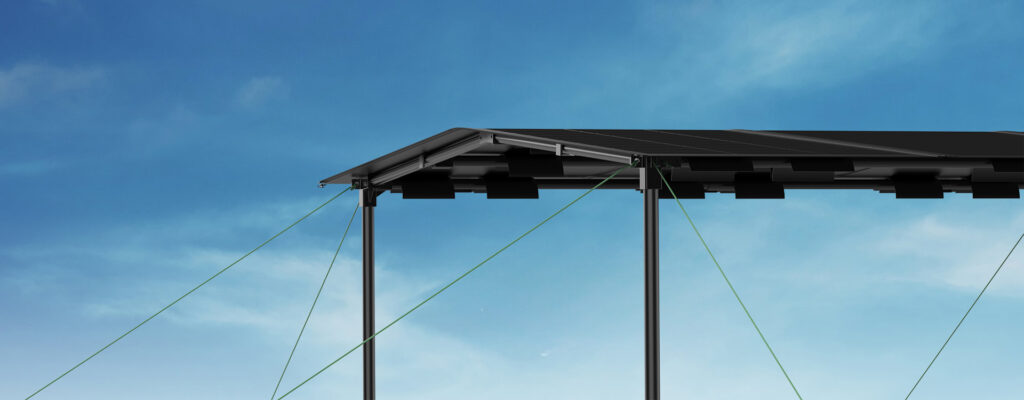

Choosing the right structural material is one of the most important decisions in any Solar Canopy project. Whether you are designing a shaded parking structure for a commercial property, a solar carport for a residential driveway, or a large-scale utility installation, the frame material determines how well your system will withstand weather, humidity, salt air, and decades of thermal cycling. This guide compares aluminum alloy and hot-dip galvanized steel in detail, focusing on corrosion resistance, strength, cost, and long-term performance so you can make a confident, informed decision for your next project.
- Understanding Solar Canopy Systems and Why Material Choice Matters
- Aluminum Alloy for Solar Canopy Structures: Properties and Benefits
- Hot-Dip Galvanized Steel for Solar Canopy Frames: Properties and Benefits
- Comparing Corrosion Resistance: Aluminum Alloy vs. Hot-Dip Galvanized Steel in Solar Canopy Applications
- Key Factors to Consider When Choosing Solar Canopy Materials
- Solar Canopy Fabrication and Installation: Aluminum Alloy vs. Hot-Dip Galvanized Steel Workflows
- Environmental and Sustainability Considerations for Solar Canopy Materials
- Frequently Asked Questions About Solar Canopy Materials
- Real-World Solar Canopy Case Studies: Aluminum Alloy and Hot-Dip Galvanized Steel in Action
- Solar Canopy Material Quick Reference: Aluminum Alloy vs. Hot-Dip Galvanized Steel
- Best Practices for Maximizing Solar Canopy Durability
- Making the Right Choice for Your Solar Canopy Project
Understanding Solar Canopy Systems and Why Material Choice Matters
Before diving into the comparison between aluminum alloy and hot-dip galvanized steel, it helps to understand what a solar canopy actually is and why the underlying structural material has such an outsized impact on the system’s lifespan, safety, and total cost of ownership.
What Is a Solar Canopy?
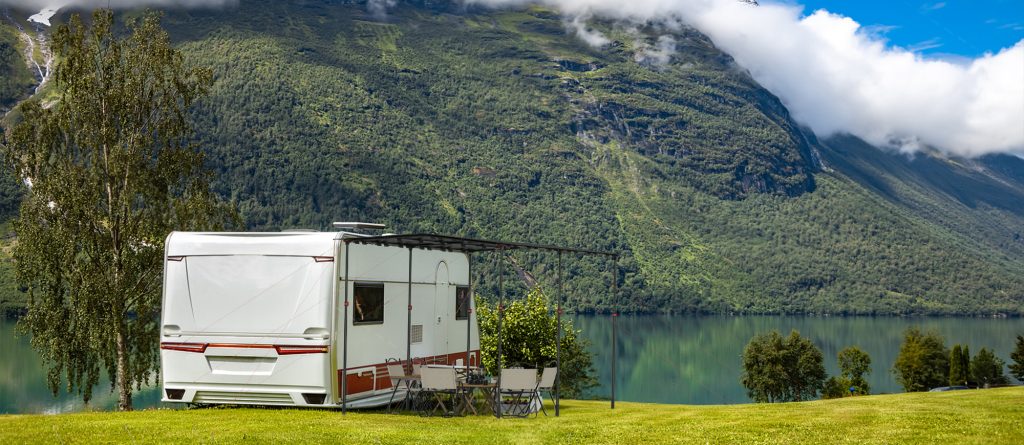
A solar canopy is an elevated structure that supports photovoltaic (PV) panels above a parking lot, walkway, patio, or open outdoor space. Unlike rooftop solar systems, which rely on an existing building structure for support, a solar canopy is a freestanding structure built from the ground up. It typically consists of vertical support columns, horizontal beams and purlins, panel mounting rails, and various connective hardware such as bolts, brackets, and clips. Because the entire weight of the array, along with wind, snow, and seismic loads, is carried by this frame, the structural integrity of a canopy depends almost entirely on the quality of the metal used to build it.
Solar canopies are increasingly popular in commercial parking lots, university campuses, airports, hospitals, retail centers, and multi-family housing developments because they generate clean energy while simultaneously providing shade and weather protection for vehicles and pedestrians below. This dual-purpose function means the structure must be engineered not just for solar output, but for decades of exposure to sun, rain, wind, and in many regions, salt air or industrial pollutants.
The Role of Structural Materials in Solar Canopy Performance
The performance of any solar canopy structure hinges on three interconnected factors: mechanical strength, weight, and corrosion resistance. Mechanical strength determines how much wind and snow load the structure can bear without deflecting or failing. Weight affects foundation design, transportation costs, and installation labor. Corrosion resistance determines how long the structure will last before rust, pitting, or material fatigue compromises its safety and appearance.
Because solar canopies are outdoor structures exposed to the elements 24 hours a day, 365 days a year, for a design life that often exceeds 25 to 30 years, corrosion resistance is arguably the single most critical performance criterion. A structure that looks strong on day one but begins to corrode within five to ten years will ultimately cost more in repairs, panel realignment, and even full replacement than a structure built with a premium corrosion-resistant material from the start. This is precisely why the choice between aluminum alloy and hot-dip galvanized steel is so consequential for anyone planning a long-term solar canopy investment.
Aluminum Alloy for Solar Canopy Structures: Properties and Benefits
Aluminum alloy has become one of the most popular materials for solar canopy framing, particularly in coastal regions, high-humidity climates, and projects where lightweight construction is a priority. Understanding its specific properties helps clarify why it performs so well in demanding outdoor environments.
Corrosion Resistance of Aluminum Alloy
Aluminum’s natural corrosion resistance comes from a unique chemical property: when aluminum is exposed to oxygen, it immediately forms a thin, transparent oxide layer on its surface. This oxide layer, typically only a few nanometers thick, acts as a passive barrier that prevents further oxidation from penetrating the metal underneath. Unlike iron-based rust, which flakes and expands, aluminum oxide is stable, tightly adhered, and self-healing. If the surface is scratched, a fresh oxide layer forms almost instantly, continuously protecting the base metal.
This makes aluminum alloy exceptionally well suited for solar canopy installations near oceans, lakes, or other bodies of water where airborne salt accelerates corrosion in most other metals. Marine-grade aluminum alloys, such as the 6000 series (6061-T6 being especially common in solar racking), are frequently anodized or powder-coated to further enhance their resistance to pitting corrosion and UV degradation. For a solar canopy that will stand for decades in a humid or salty environment, aluminum’s passive oxide layer offers a distinct advantage over ferrous metals.
Weight and Installation Advantages
Aluminum alloy is roughly one-third the weight of steel for a comparable volume, which has significant downstream benefits for a solar canopy project. Lighter components are easier and safer to lift, position, and bolt into place, reducing the need for heavy cranes and large installation crews. This can meaningfully lower labor costs and shorten project timelines, particularly for large-scale commercial solar canopy arrays that require dozens or hundreds of support columns.
The reduced weight also lessens the load transferred to foundations, which can allow for smaller footings in some soil conditions. For solar canopy projects built on sites with poor soil bearing capacity or where foundation excavation is expensive, aluminum’s lighter footprint can translate into real cost savings on the substructure.
Cost Considerations
Aluminum alloy generally carries a higher raw material cost per pound than steel, but this is often offset by lower fabrication, transportation, and installation costs due to its reduced weight. Aluminum also does not require the additional galvanizing or coating process that steel needs for corrosion protection, since its resistance is inherent to the material itself. Over a full project lifecycle, many solar canopy developers find that aluminum’s total installed cost is competitive with, or even lower than, coated steel, especially when factoring in reduced maintenance expenses over the structure’s lifespan.
Hot-Dip Galvanized Steel for Solar Canopy Frames: Properties and Benefits
Hot-dip galvanized steel remains the industry standard for many large-scale solar canopy installations because of its exceptional strength, load-bearing capacity, and cost efficiency in bulk structural applications. Understanding how the galvanization process works is key to evaluating whether it is the right choice for a given solar canopy project.
How Hot-Dip Galvanization Works
Hot-dip galvanizing is a metallurgical process in which steel components are fully immersed in a bath of molten zinc, typically heated to around 450°C (roughly 840°F). The zinc reacts with the iron in the steel to form a series of zinc-iron alloy layers, topped with a layer of pure zinc. This creates a metallurgically bonded coating, not just a surface film, meaning the zinc layer is far more durable and abrasion-resistant than paint or electroplated coatings.
This zinc coating protects the underlying steel in two complementary ways. First, it acts as a physical barrier, sealing the steel from moisture and oxygen. Second, and more importantly, zinc provides what is known as cathodic or sacrificial protection. Because zinc is more chemically reactive than iron, it corrodes preferentially at any point where the coating is scratched or damaged, effectively “sacrificing” itself to protect the exposed steel underneath. This self-protecting mechanism is what gives hot-dip galvanized steel its reputation for long-term durability in solar canopy frames, even in environments where the coating experiences minor mechanical damage during transport or installation.
Strength and Load-Bearing Capacity
Steel’s tensile and compressive strength significantly exceeds that of aluminum alloy for a given cross-sectional area, which is why hot-dip galvanized steel remains a preferred choice for solar canopy structures with long spans, heavy snow loads, or high wind exposure. In regions that experience significant snowfall or hurricane-force winds, the added structural margin of steel can reduce the number of support columns needed, simplifying the design of large parking canopy arrays and potentially increasing usable space beneath the structure.
Because of this strength advantage, engineers often specify hot-dip galvanized steel for the primary structural members of a solar canopy, such as main columns and beams, while reserving aluminum for secondary components like rails and clips where weight savings matter more than raw strength.
Cost and Longevity
Hot-dip galvanized steel typically has a lower raw material cost than aluminum alloy, and the galvanizing process itself is a mature, cost-effective industrial technique widely available at scale. When properly specified with an adequate zinc coating thickness, commonly measured in microns or ounces per square foot, galvanized steel can deliver 50 years or more of corrosion protection in moderate environments, making it a highly durable and economical option for many solar canopy applications, particularly inland or in drier climates.
Comparing Corrosion Resistance: Aluminum Alloy vs. Hot-Dip Galvanized Steel in Solar Canopy Applications
Corrosion resistance is often the deciding factor when specifying materials for a solar canopy, and the right choice depends heavily on the specific environmental conditions the structure will face over its service life.
Coastal and High-Humidity Environments
In coastal areas, airborne salt particles accelerate corrosion in almost every metal, but the mechanisms differ between aluminum and galvanized steel. Aluminum alloy’s oxide layer is generally more resistant to chloride-induced pitting than zinc coatings, particularly in installations located within a mile or two of open saltwater. For this reason, many solar canopy specifications in coastal regions default to marine-grade aluminum alloy, sometimes combined with additional anodizing or powder-coat finishes for extra protection.
Hot-dip galvanized steel can still perform well in coastal environments, but it typically requires a thicker zinc coating and more frequent inspection to ensure the sacrificial layer has not been depleted by accelerated chloride attack. Some solar canopy manufacturers address this by specifying duplex systems, combining hot-dip galvanizing with an additional powder-coat topcoat, which significantly extends service life even in aggressive coastal conditions.
Industrial and Urban Pollution Exposure
In industrial zones or urban areas with higher concentrations of sulfur dioxide, nitrogen oxides, or other airborne pollutants, both materials face accelerated corrosion risk, but through different chemical pathways. Zinc coatings on hot-dip galvanized steel can be consumed more quickly in acidic industrial atmospheres, while aluminum’s oxide layer, though generally more chemically stable, can experience localized pitting in the presence of certain industrial contaminants. For solar canopy projects near factories, refineries, or heavy traffic corridors, a site-specific corrosion assessment is strongly recommended before finalizing the material choice.
Long-Term Maintenance Requirements
Over a multi-decade service life, maintenance requirements can meaningfully affect the total cost of a solar canopy. Aluminum alloy structures generally require minimal maintenance beyond periodic visual inspection and occasional cleaning, since the material does not rust in the traditional sense and its protective layer regenerates automatically. Hot-dip galvanized steel also requires relatively low maintenance, but inspectors typically recommend checking coating thickness and touching up any areas of coating damage, especially near welds, cut edges, or bolted connections where the zinc layer may be thinner or compromised during fabrication.
Key Factors to Consider When Choosing Solar Canopy Materials
Selecting the ideal material for a solar canopy is not a one-size-fits-all decision. The following factors should guide the evaluation process for any project.
Climate and Environmental Conditions
The local climate is often the single most important variable. Coastal, marine, or high-humidity locations generally favor aluminum alloy for its superior resistance to chloride-induced corrosion, while inland, temperate, or dry climates often allow hot-dip galvanized steel to perform excellently at a lower material cost. Snow load, wind speed, and seismic activity in the region should also factor into the structural design, since these loads may favor steel’s higher strength-to-cost ratio for primary framing members.
Budget and Total Cost of Ownership
Rather than comparing only upfront material costs, project owners should evaluate total cost of ownership across the full expected lifespan of the solar canopy, including installation labor, foundation requirements, maintenance, and potential repair or replacement costs. A slightly higher initial investment in premium aluminum alloy or a duplex-coated steel system can often pay for itself many times over by avoiding costly corrosion-related repairs decades down the line.
Structural Design and Span Requirements
The architectural design of the solar canopy, including column spacing, cantilever length, and overall span, will influence which material is structurally appropriate. Long, unsupported spans intended to maximize vehicle clearance or minimize the number of foundations often favor the higher strength-to-weight ratio achievable with hybrid designs that use galvanized steel columns paired with aluminum alloy secondary framing.
Local Building Codes and Standards
Building codes, wind load requirements, and seismic design categories vary significantly by jurisdiction, and some regions have specific corrosion protection standards for outdoor structures. Consulting with a structural engineer familiar with local solar canopy regulations ensures that whichever material is chosen, whether aluminum alloy, hot-dip galvanized steel, or a hybrid combination, the final design meets all applicable safety and durability requirements.
Solar Canopy Fabrication and Installation: Aluminum Alloy vs. Hot-Dip Galvanized Steel Workflows
The fabrication and installation process for a solar canopy differs meaningfully depending on whether the structure is built primarily from aluminum alloy or hot-dip galvanized steel, and these differences can affect project timelines, quality control, and long-term performance.
Fabrication Methods and Quality Control
Aluminum alloy components used in solar canopy structures are typically extruded or CNC-machined to precise tolerances, then finished with anodizing or powder coating before shipment. Because the corrosion protection is either inherent to the alloy or applied as a factory-controlled finish, quality control largely happens upstream, before the material ever reaches the job site. This tends to produce very consistent corrosion performance across an entire solar canopy array, since every extrusion comes from the same controlled process.
Hot-dip galvanized steel, by contrast, is usually fabricated first, cut, drilled, and welded into its final shape, and then dipped into the molten zinc bath as a finishing step. This “fabricate first, then galvanize” sequence means the entire surface, including cut edges and weld seams, receives a uniform metallurgical zinc coating. However, any field modifications made after galvanizing, such as drilling a new bolt hole on site, will expose bare steel that requires a cold-galvanizing compound touch-up to maintain full corrosion protection. Specifying complete, pre-drilled components before galvanizing is considered a best practice for any solar canopy project using this material.
On-Site Assembly Considerations
Because aluminum alloy is significantly lighter than steel, solar canopy installation crews working with aluminum components can often use smaller equipment, including manual lifts or smaller boom trucks, rather than heavy cranes. This can be a meaningful advantage on tight urban sites or parking structures with limited crane access. Hot-dip galvanized steel components, being heavier and more robust, typically require larger lifting equipment but offer more forgiving tolerances during assembly, since the material is less prone to denting or deformation from minor installation impacts compared to thinner aluminum sections.
Fastener and Connection Compatibility
An often-overlooked detail in solar canopy design is fastener compatibility. Aluminum alloy structures should be paired with stainless steel or aluminum-compatible fasteners to avoid galvanic corrosion, a process where two dissimilar metals in contact with each other, in the presence of moisture, cause accelerated corrosion of the less noble metal. Improperly specified fasteners are one of the most common causes of premature corrosion failure in aluminum solar canopy installations. Hot-dip galvanized steel is generally more forgiving with a wider range of compatible fastener types, though stainless steel or additional galvanized hardware is still recommended at all bolted connections to preserve the integrity of the sacrificial zinc coating.
Environmental and Sustainability Considerations for Solar Canopy Materials
As solar energy projects are inherently tied to sustainability goals, it is worth considering the environmental footprint of the structural materials themselves, not just the clean energy the solar canopy will eventually generate.
Recyclability and Lifecycle Impact
Aluminum alloy is one of the most recyclable structural metals available, and recycled aluminum requires only about five percent of the energy needed to produce virgin aluminum from raw bauxite ore. At the end of a solar canopy’s service life, aluminum framing components can be fully recycled without any loss of material quality, making it an attractive choice for organizations prioritizing circular economy principles in their solar procurement decisions.
Hot-dip galvanized steel is also highly recyclable, and the zinc coating itself does not interfere with standard steel recycling processes. Steel production increasingly relies on electric arc furnaces using recycled scrap, meaning a galvanized steel solar canopy structure can likewise be fully recycled at decommissioning, with the zinc recovered and reused in future galvanizing operations.
Embodied Carbon Comparisons
From a pure embodied carbon standpoint, primary aluminum production is more energy-intensive than steel production, largely due to the electricity required in the smelting process. However, because aluminum alloy components in a solar canopy are lighter and often incorporate a high percentage of recycled content, the net embodied carbon difference between the two materials narrows considerably in real-world applications. Project owners with strict embodied carbon targets should request environmental product declarations (EPDs) from their solar canopy material suppliers to make an accurate, project-specific comparison rather than relying on generic industry averages.
Frequently Asked Questions About Solar Canopy Materials
Is Aluminum Alloy Always More Corrosion-Resistant Than Hot-Dip Galvanized Steel?
Not necessarily. Aluminum alloy generally outperforms galvanized steel in chloride-rich coastal environments, but in inland or moderate climates, a properly specified hot-dip galvanized steel structure can deliver comparable or even superior corrosion resistance over its expected service life. The best solar canopy material choice always depends on site-specific environmental conditions.
Can Aluminum Alloy and Hot-Dip Galvanized Steel Be Combined in the Same Solar Canopy?
Yes. Many commercial solar canopy projects use a hybrid approach, specifying hot-dip galvanized steel for primary structural columns and beams to take advantage of steel’s higher strength-to-cost ratio, while using aluminum alloy for panel rails, clips, and other secondary components where weight savings and corrosion resistance matter most. When combining metals, proper isolation hardware should always be used to prevent galvanic corrosion at any point of contact.
How Long Does a Solar Canopy Structure Typically Last?
With proper material selection and routine maintenance, both aluminum alloy and hot-dip galvanized steel solar canopy structures are commonly designed for a 25 to 40 year service life, aligning well with the typical operational lifespan of the photovoltaic panels they support. In favorable environmental conditions, either material can exceed these design expectations significantly.
Does the Choice of Material Affect Solar Canopy Warranty Terms?
Yes, in many cases. Manufacturers often provide different structural warranty periods depending on the material and coating system specified, with premium anodized aluminum or duplex-coated galvanized steel systems typically carrying longer corrosion warranties than standard finishes. Always review the specific warranty documentation provided by your solar canopy supplier before finalizing a material decision.
Real-World Solar Canopy Case Studies: Aluminum Alloy and Hot-Dip Galvanized Steel in Action
Examining how each material performs in real installations helps illustrate the practical implications of the choices discussed above.
Coastal Commercial Solar Canopy Installations
Many parking structures built within a few miles of the ocean, such as those at coastal retail centers, marinas, and beachfront hotels, have shifted toward marine-grade aluminum alloy framing after early-generation steel structures in similar locations showed visible surface staining and coating wear within the first decade of service. Facility managers overseeing these coastal solar canopy assets often report that switching to anodized aluminum alloy, paired with stainless steel fasteners, has substantially reduced the frequency of touch-up maintenance compared to earlier galvanized steel designs that lacked a supplemental topcoat.
Inland Utility-Scale Solar Canopy Projects
By contrast, large inland solar canopy arrays covering big-box retail parking lots or logistics centers in drier climates frequently rely on hot-dip galvanized steel for the primary structure, taking advantage of its lower material cost and higher load capacity to span wider bays with fewer foundations. In these lower-humidity, lower-salinity environments, galvanized steel structures have demonstrated decades of reliable service with only minor, localized coating touch-ups at weld seams and bolted connections identified during routine inspections.
Lessons for Future Solar Canopy Specifications
These real-world outcomes reinforce a consistent lesson: the “best” material for a solar canopy is the one matched carefully to its specific site conditions, rather than a single default choice applied universally across every project. Engineers and procurement teams that invest time upfront in site-specific corrosion assessments consistently report better long-term performance and lower lifecycle costs than those who select materials based on cost alone.
Solar Canopy Material Quick Reference: Aluminum Alloy vs. Hot-Dip Galvanized Steel
For readers who want a fast side-by-side summary before making a final decision, the comparison below distills the key differences discussed throughout this guide.
| Factor | Aluminum Alloy | Hot-Dip Galvanized Steel |
|---|---|---|
| Corrosion mechanism | Passive, self-healing oxide layer | Sacrificial zinc coating with cathodic protection |
| Best-suited climate | Coastal, marine, high-humidity | Inland, moderate, drier climates |
| Relative weight | Approximately one-third the weight of steel | Heavier, higher density |
| Strength-to-cost ratio | Lower per pound, but requires less structure overall | Higher raw strength at lower material cost |
| Typical maintenance | Minimal; occasional cleaning and inspection | Periodic coating inspection, especially at welds and cuts |
| Recyclability | Fully recyclable, low-energy remelting | Fully recyclable, zinc recoverable |
| Common use in a solar canopy | Rails, clips, secondary framing, coastal structures | Primary columns, beams, large-span structures |
This quick-reference table is not a substitute for a full engineering evaluation, but it offers a practical starting point for narrowing down the right solar canopy material for your specific site and budget before consulting with a structural engineer or solar canopy manufacturer. Use it as a starting checklist during early-stage planning meetings, then validate your assumptions with detailed environmental data, wind and snow load calculations, and supplier-provided corrosion test results before locking in a final structural specification for your project.
Best Practices for Maximizing Solar Canopy Durability
Regardless of which material is selected, following industry best practices during design, fabrication, and installation will significantly extend the service life of any solar canopy structure.
Proper Coating and Surface Treatment
For hot-dip galvanized steel, specifying an adequate zinc coating thickness according to recognized standards, and ensuring all welds and cut edges are properly treated or cold-galvanized after fabrication, is essential to avoiding premature corrosion at vulnerable points. For aluminum alloy structures, specifying anodized or powder-coated finishes adds an extra layer of protection against pitting and UV-related surface degradation, particularly in harsh coastal or high-altitude environments.
Routine Inspection and Maintenance
Even the most corrosion-resistant solar canopy benefits from a routine inspection schedule. Annual or biannual visual inspections can catch early signs of coating damage, loose fasteners, or localized corrosion before they develop into structural concerns. Keeping drainage paths clear, cleaning off accumulated debris, and promptly repairing any coating damage from installation or maintenance activities will help ensure the structure reaches, or exceeds, its designed service life.
Making the Right Choice for Your Solar Canopy Project
There is no universally “better” material for every situation; the right choice depends on your climate, budget, structural requirements, and long-term maintenance plans. Aluminum alloy offers outstanding corrosion resistance and lightweight installation advantages, making it ideal for coastal and humid environments, while hot-dip galvanized steel delivers exceptional strength and cost efficiency for large-span structures in moderate climates. Many of the most successful solar canopy projects actually combine both materials strategically, using galvanized steel for primary structural strength and aluminum alloy for corrosion-sensitive components. By carefully weighing environmental exposure, budget, and structural demands, you can select the solar canopy material combination that delivers decades of reliable, low-maintenance clean energy generation.
Before finalizing your specification, it is worth requesting corrosion test data, coating thickness certifications, and warranty documentation from prospective suppliers, and, where budget allows, commissioning a site-specific corrosion assessment from a qualified structural engineer. Taking these extra steps early in the design process helps ensure that whichever path you choose, aluminum alloy, hot-dip galvanized steel, or a thoughtfully engineered combination of both, your finished solar canopy will stand up to local weather conditions, protect the investment in your photovoltaic system, and continue delivering clean, reliable energy for many years to come.